


Ataxia in horses is a neurological condition causing lack of coordination, balance, and control over movements. Causes include spinal cord injuries, equine herpesvirus, and degenerative diseases. Symptoms include stumbling, weakness, and abnormal gait. Diagnosis involves neurological exams, imaging, and blood tests. Treatment depends on the cause and may include medication, surgery, or rehabilitation.
What is Ataxia in Horses?
Ataxia in horses is a neurological disease that causes incoordination due to damage to the brain or spinal cord. It affects the horse’s ability to control movements, resulting in an unsteady gait, balance problems and difficulty with normal activities like walking in a straight line or turning in tight circles.
Ataxia is often linked to spinal cord compression, particularly in the neck (wobblers syndrome or CVM) which results in spinal ataxia, one of the most severe forms of neurologic disorders in equine patients.
Key Aspects of Ataxia in Horses:
| Aspect | Details |
|---|---|
| Definition | Incoordination resulting from damage to the brain or spinal cord |
| Common Cause | Spinal cord compression, particularly in the neck (wobblers syndrome or CVM) |
| Prevalence | Approximately 1 in 100 thoroughbred horses in the UK |
| Main Symptoms | Uncoordinated walking, balance problems, slower leg movement, swinging legs |
| Severity Scale | Graded from 0-5 by veterinarians |
| Diagnosis Methods | Physical examination, specific tests, urinalysis, blood work, imaging (MRI, CT, X-ray) |
| Treatment | Depends on underlying condition; may include supportive care |
| Prognosis | Better with earlier intervention |
Common Causes of Ataxia in Horses
Ataxia in horses is caused by spinal cord compression, neurologic disease, trauma and infections like equine herpesvirus. Cervical vertebral stenotic myelopathy (wobblers syndrome) is a primary cause where spinal cord compression in the neck leads to incoordination especially in the hind limbs. Trauma to the neck or head, inflammation of the central nervous system and infections such as equine protozoal myeloencephalitis (EPM) also contribute to the development of ataxia.
Other causes include:
- Degenerative diseases: Progressive deterioration of the nervous system.
- Toxins: Nervous system poisons.
- Tumors: Growths in the brain or spinal cord.
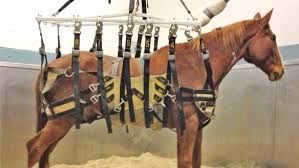
Image source: https://www.horseandhound.co.uk/plus/vet-clinic/ataxia-explained-why-a-horse-might-become-weak-wobbly-or-unable-to-stand-hh-plus-742892 – horse being treated for ataxia
Clinical Signs of Ataxia in Horses
Clinical signs of ataxia are abnormal gait, stumbling, weakness and coordination problems especially in the hind limbs. Horses may present with a swaying hind end, difficulty walking in a straight line or appearing very wobbly when turning in tight circles. Severe ataxia can make horses appear lame especially in the front limbs and they may have trouble holding their head steady.
Additional signs:
- Slower leg movement: Noticeable delay in moving the limbs.
- Loss of balance: Frequent stumbling or falling.
- Unusual posture: Holding the neck or head at an abnormal angle.
- Difficulty stopping or turning: Especially in tight spaces or during sharp turns.
Diagnosing Ataxia in Horses
Diagnosis of ataxia involves physical exams, neurological exams, imaging (MRI and X-ray) and cerebrospinal fluid analysis. Veterinarians assess the horse’s history, gait and clinical signs to determine the severity of the neurologic problem. Imaging helps identify spinal cord compression, blood tests and spinal fluid analysis detects infections or inflammation in the central nervous system.
Key steps:
- Physical examination: Checking the horse’s gait and response to stimuli.
- Imaging tests: MRI and X-ray to assess spinal cord and cervical vertebrae.
- Blood work and urinalysis: Detects infections or toxins.
- Cerebrospinal fluid analysis: Identifies inflammation or infections in the nervous system.
- Grading system: Veterinarians score ataxia 0 (normal) to 5 (most severe form).
Treatment of Ataxia in Horses
Treatment of ataxia depends on the cause and includes medication, surgery and rehabilitation. Anti-inflammatory drugs reduce swelling in the spinal cord and antibiotics treat infections. Surgery may be needed to relieve spinal cord compression especially in wobblers syndrome. Rehabilitation helps improve coordination and strengthen affected limbs.
Common treatments:
- Medications: Corticosteroids.
- Surgery: Corrects spinal cord compression.
- Physical therapy: Exercises to improve coordination.
- Supportive care: Ensures the horse’s comfort and prevents further injury.
- Nutritional support: Balanced diet to aid recovery and maintain nervous system health.
- Red light therapy: Recently, red light therapy has been tested on cultured cells of neurodegenerative disorders. The beneficial effects of laser irradiation include restoration of intracellular organelle and dissociation of toxic aggregates – Source: https://pure-medical.co.uk/
Prevention and Long-Term Management of Ataxia
Preventing ataxia is regular vet checks, proper nutrition and safe environments to reduce injury risk. Horse owners should ensure young horses get a balanced diet as they are prone to cervical vertebral malformation from rapid bone growth. Regular neuro checks help in early detection.
Management tips:
- Vet visits: Early detection through regular checks.
- Nutritional management: Balanced feed with vitamins and minerals.
- Safe housing: Minimises injury risk.
- Prompt treatment: Call a vet if signs of ataxia are present.
- Rehab programs: Ongoing therapy for ataxic horses to maintain mobility.
Final Points
Ataxia in horses is a serious condition and requires early diagnosis and treatment for best outcome. Watch for signs of incoordination, abnormal gait and weakness especially in the hind legs. Call a vet as soon as you see symptoms. Advances in diagnostic tools including wearable technology gives hope for better management and outcome for ataxic horses.
Common Questions
Below are common questions we get asked about this topic.
Can ataxia be mistaken for other conditions?
Yes, mild ataxia can be mistaken for lameness or technical riding issues. Signs of difficulty with collection, changing tempo or bending can be subtle signs of ataxia that can be overlooked or attributed to other causes.
Are certain breeds more prone to ataxia?
While ataxia can affect any breed, some studies suggest it may be slightly more common in warmbloods compared to other breeds. More research is needed to confirm breed specific predispositions.
Can environmental factors contribute to ataxia?
While the primary causes of ataxia are neurological, environmental factors such as nutrition and exercise can play a role in development or progression of ataxia especially in young horses. For example, high protein and high energy diets can contribute to rapid bone growth and increase the risk of cervical vertebral malformation in foals.
Is there any research into new diagnostic tools for ataxia?
Yes, researchers are looking into wearable technology to aid in diagnosis and monitoring of ataxia in horses. These devices can provide objective data on horse movement patterns that can lead to earlier detection and more accurate assessment of the condition.


